
From Classic Reels to Video Slots: How Gameplay Has Transformed
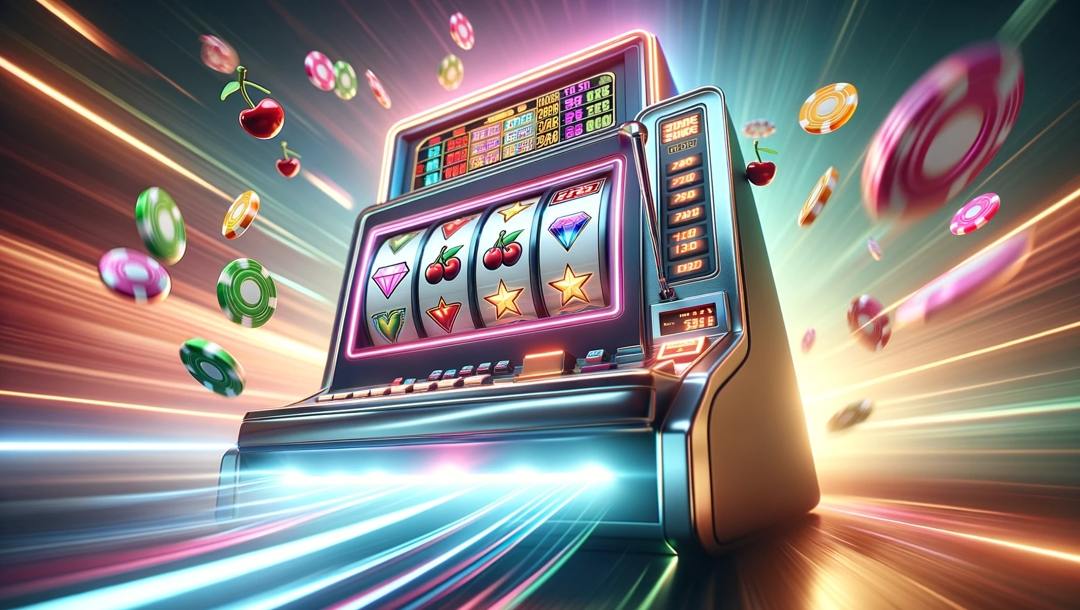
The evolution of slot machines is a fascinating journey from the mechanical simplicity of classic reels to the immersive world of video slots we know today. Over the past few decades, the transformation of slot gameplay has revolutionized the gaming industry, attracting both casual players and high rollers alike. In this article, we explore how this transformation has unfolded and what it means for the future of gaming.
The Birth of Classic Slots
The story of slot machines begins in the late 19th century with the creation of the Liberty Bell by Charles Fey in 1895. This mechanical machine featured three spinning reels and a handful of symbols, including horseshoes, diamonds slot, and the iconic Liberty Bell. Players would pull a lever to spin the reels and hope for a winning combination. These classic slots were simple, with one payline and a limited number of features.
The gameplay experience was straightforward and focused entirely on luck. The reels’ mechanical operation meant that the randomness of each spin was driven by physical components, making it an experience grounded in tangible mechanics. Over time, these machines became a staple in casinos around the world.
The Rise of Video Slots
The turning point came in the 1970s with the advent of electronic slot machines, which used microprocessors instead of mechanical parts. By the early 1990s, video slots had begun to replace traditional mechanical machines. These new machines featured colorful graphics, engaging themes, and, most importantly, more ways to win.
The introduction of video screens opened up new possibilities for slot game developers. Video slots were no longer limited to a handful of symbols; they could include multiple paylines, bonus rounds, and innovative features such as wilds, scatters, and free spins. These innovations made gameplay more dynamic, offering a far richer experience for players.
The Modern Age: 3D, Themes, and Interactivity
The 21st century ushered in a new era of slot machines, as developers began integrating advanced technology like 3D graphics, animations, and interactive storylines. Video slots became mini-games in themselves, with intricate themes based on movies, mythology, and even popular culture. Players could explore entire worlds while spinning the reels, and bonus features became more complex and rewarding.
The most significant change, however, has been the introduction of online slots. With the rise of online casinos and mobile gaming, video slots are now accessible anywhere, anytime. Gamblers can play from the comfort of their homes or on the go, and mobile slots are optimized for touchscreen devices, offering smooth, responsive gameplay.
Conclusion
From the mechanical simplicity of classic slots to the rich, interactive experiences of modern video slots, the transformation in gameplay has been profound. Today’s video slots provide a blend of entertainment, excitement, and the potential for large rewards. As technology continues to advance, the future of slot machines promises even more innovative features, ensuring that this genre remains a dominant force in the gaming world.
=====================
Biggest Slot Game Myths and Facts You Need to Know
Slot machines are among the most popular and exciting casino games, both in land-based casinos and online platforms. Despite their widespread appeal, there are many myths and misconceptions surrounding how they work, how to win, and what players can expect. Understanding these myths and facts is essential for anyone who wants to enjoy a fair and informed gaming experience. In this article, we’ll debunk some of the biggest myths and uncover the truths behind slot game mechanics.
Myth 1: "Slot Machines are Rigged to Make You Lose"
One of the most common myths about slot games is that they are rigged slot to ensure players always lose. The truth is, all reputable casinos—both physical and online—are regulated by gaming authorities that enforce strict fairness standards. In fact, most slot machines use a Random Number Generator (RNG), a computer algorithm that ensures every spin is completely random and independent of previous spins. This guarantees that outcomes are based on chance, not manipulation.
Myth 2: "Machines Pay Out in Patterns"
Another widespread misconception is that slot machines pay out in certain patterns or that they follow a predictable cycle. Many players believe that if a machine has "been cold" for a while, it’s due for a big payout. This is known as the “hot streak” myth. However, RNG technology ensures that each spin is completely independent, so there are no patterns or cycles that can be predicted. Whether you win or lose is based entirely on chance.
Myth 3: "Higher Bets Increase Your Chances of Winning"
Some players believe that placing higher bets on slot machines increases their chances of winning, but this is not the case. While betting more can increase the size of potential payouts (if you hit a winning combination), it does not alter the odds of winning itself. Slot machine odds are determined by the game’s programming, not by the amount you wager. That said, some machines have special features or jackpots that are unlocked by higher bets, so be sure to check the game rules before playing.
Myth 4: "Slots with More Reels Are More Likely to Pay Out"
Many players assume that slot machines with more reels are more likely to offer bigger payouts, but the number of reels has no effect on the machine’s payout potential. The number of reels mainly impacts the complexity of the game and the variety of winning combinations, but not the frequency or size of payouts. A five-reel slot, for example, may have more ways to win compared to a three-reel machine, but the odds remain the same.
Myth 5: "Slot Machines are Due for a Big Win After a Loss"
Another prevalent myth is the idea that a slot machine is "due" for a big payout after a series of losses. This belief often leads players to think that after several losing spins, the machine is bound to pay out soon. However, due to RNG technology, slot machines don’t have a memory of past spins, so they aren’t “due” for a win after a loss. Every spin is random, regardless of previous results.
Fact: "Volatility Affects Payout Frequency, Not Jackpot Size"
Slot machines have varying levels of volatility (or variance), which refers to how often and how much a game pays out. High-volatility slots tend to pay less frequently but offer larger jackpots when they do hit. On the other hand, low-volatility slots offer smaller, more frequent wins, but with lower payouts overall. Understanding the volatility of a slot game can help you choose the right one for your risk tolerance and budget.
Fact: "Jackpots Are Not Stolen by Casinos"
A common fear is that casinos, especially online casinos, somehow "steal" jackpot winnings or adjust the odds to ensure a loss. However, this is far from the truth. Progressive jackpots and other large payouts are tracked and paid out according to the game’s algorithm, and winnings are processed by regulated systems, with strict audits in place to prevent fraud.
Conclusion
Slot machines have long been surrounded by myths, but understanding the truth behind them can help players make better-informed decisions. The reality is that slots are games of chance, governed by RNG technology, and there are no shortcuts or secret formulas to guarantee a win. By debunking these common myths, players can focus on enjoying the entertainment that slot games offer, knowing that their results are fair and random.